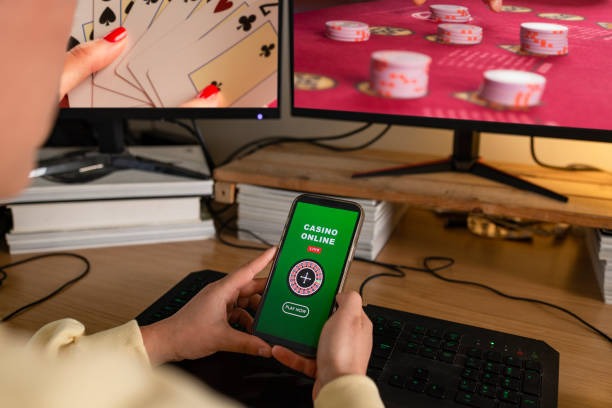

Online casino gaming has witnessed significant growth globally, and Kuwait is no exception in terms of interest and participation. However, the landscape of online gambling in Kuwait is heavily influenced by local laws and cultural considerations. Understanding these regulations and how they affect online casino operations is crucial for players and operators alike.
In Kuwait, gambling is generally prohibited under Islamic law, which forms the basis of the country’s legal framework. This prohibition extends to both land-based and online gambling activities. The Kuwaiti Penal Code criminalizes betting and gambling, making it illegal to operate or participate in any gambling activities within the country. This strict stance is intended to uphold moral and social values, reflecting the cultural and religious norms prevalent in Kuwait.
Despite the legal restrictions, many Kuwaiti residents access online casino platforms hosted outside the country. These international websites offer a wide range of casino games, including slots, poker, blackjack, and roulette, attracting players looking for entertainment and potential online casino kuwait winnings. However, because these sites are not licensed or regulated by Kuwaiti authorities, players face certain risks. These risks include lack of local legal recourse in case of disputes, potential issues with payment processing, and concerns over data privacy and security.
To navigate these challenges, some players turn to virtual private networks (VPNs) to mask their location while accessing international online casinos. This practice, however, can also be legally ambiguous and may carry penalties under Kuwaiti law if discovered. Furthermore, financial transactions related to online gambling might be monitored or blocked by banks and payment service providers complying with national regulations.
For operators, entering the Kuwaiti market involves significant legal hurdles. Since gambling is illegal, obtaining a local license is not possible. Therefore, international online casinos generally do not have a legal presence in Kuwait. Instead, they operate from jurisdictions where online gambling is regulated and licensed, offering services globally, including to Kuwaiti players. This arrangement places the responsibility on players to ensure they comply with local laws and on operators to maintain fair and secure gaming environments.
In summary, while online casino gaming is popular among some residents of Kuwait, the strict local laws prohibit gambling within the country. This creates a complex environment where players must exercise caution and understand the legal implications of their participation. International online casinos serve as an alternative, but they operate outside Kuwaiti regulation, leading to potential risks. Anyone interested in online gambling in Kuwait should stay informed about current laws and consider the legal and financial consequences associated with online casino gaming in this region.